.jpg)
.png)
Introduction:
In an era where energy efficiency and remote accessibility are paramount, the need for a robust system to manage household and office appliances efficiently becomes crucial. This case study delves into the development and implementation of such a system, addressing the pain points and challenges faced by users in automating and managing their appliances while keeping an eye on energy consumption.
Problem Statement:
The primary challenge addressed by this case study is the need for automating and managing household appliances from any location with internet access. Users expressed frustration over the lack of an easy-to-use interface for recognizing and automating daily tasks. Additionally, the absence of an effective energy management system to monitor energy usage and real-time cost monitoring further compounded their concerns. Moreover, the lack of ability to set up routines for automated scheduling was noted as a significant pain point.
Target Users:
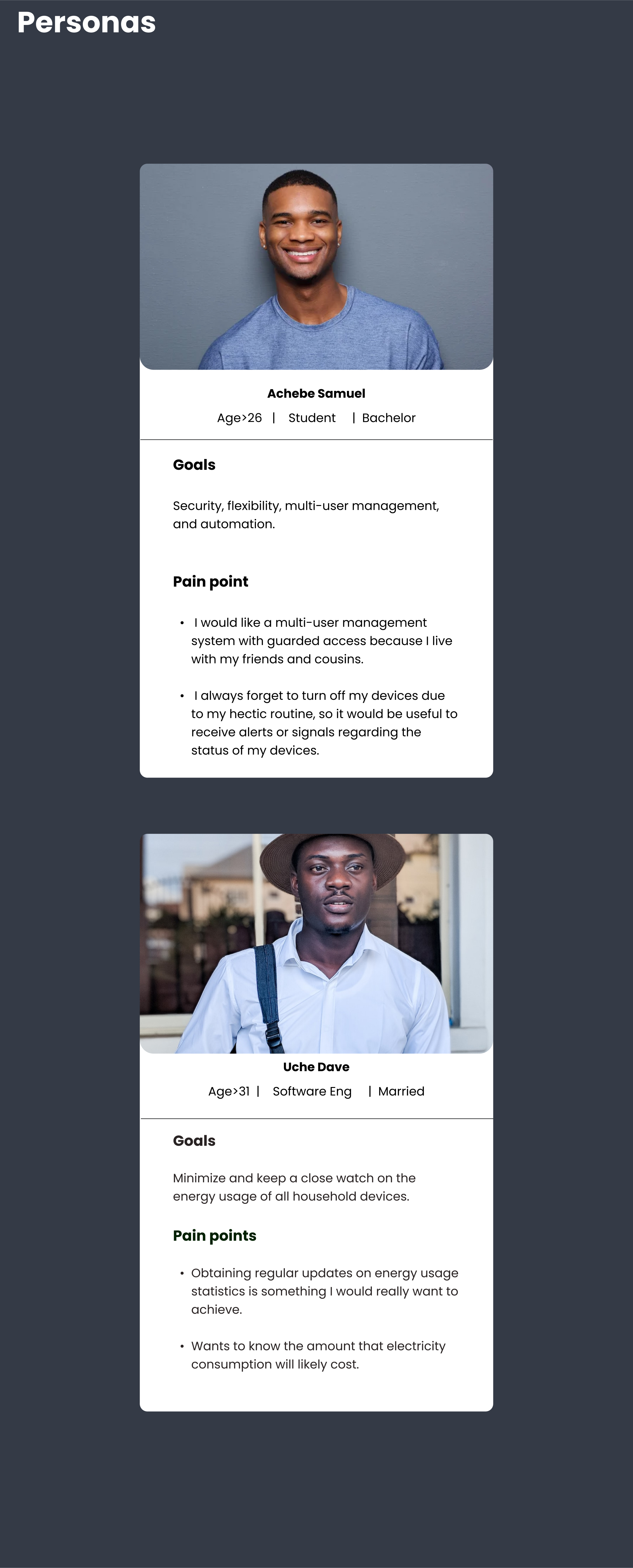
The intended users for this solution are households seeking to monitor their energy usage effectively and offices aiming to automate machinery on a larger scale. The system caters to individuals and organizations alike, offering solutions tailored to their specific needs for energy efficiency and remote appliance management.
Solution Overview:
The proposed solution offers a comprehensive platform that addresses the identified pain points. It includes:
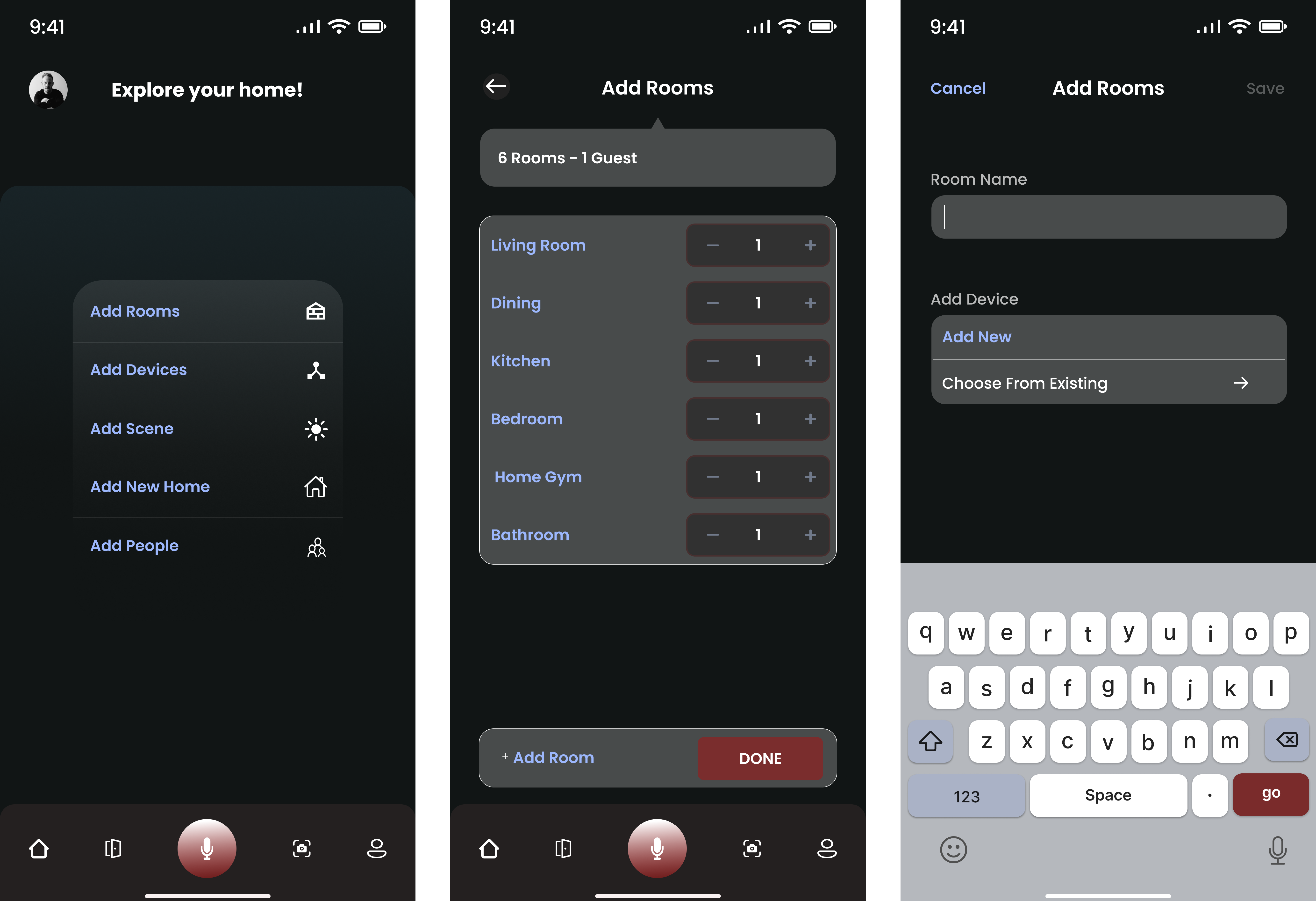
Intuitive Interface: A user-friendly interface that simplifies the process of recognizing and automating daily tasks, ensuring ease of use for all users.
Energy Management System: An effective energy management system provides users with real-time insights into their energy usage, enabling them to make informed decisions to optimize consumption.
Statistics and Energy Consumption Control:
One of the key features of the application is its ability to provide detailed statistics on energy consumption. Users can track their energy usage on a daily, monthly, or yearly basis, empowering them to make informed decisions to control their energy consumption. Real-time cost estimation based on usage further enhances the application's utility, allowing users to monitor their energy expenses in real-time.
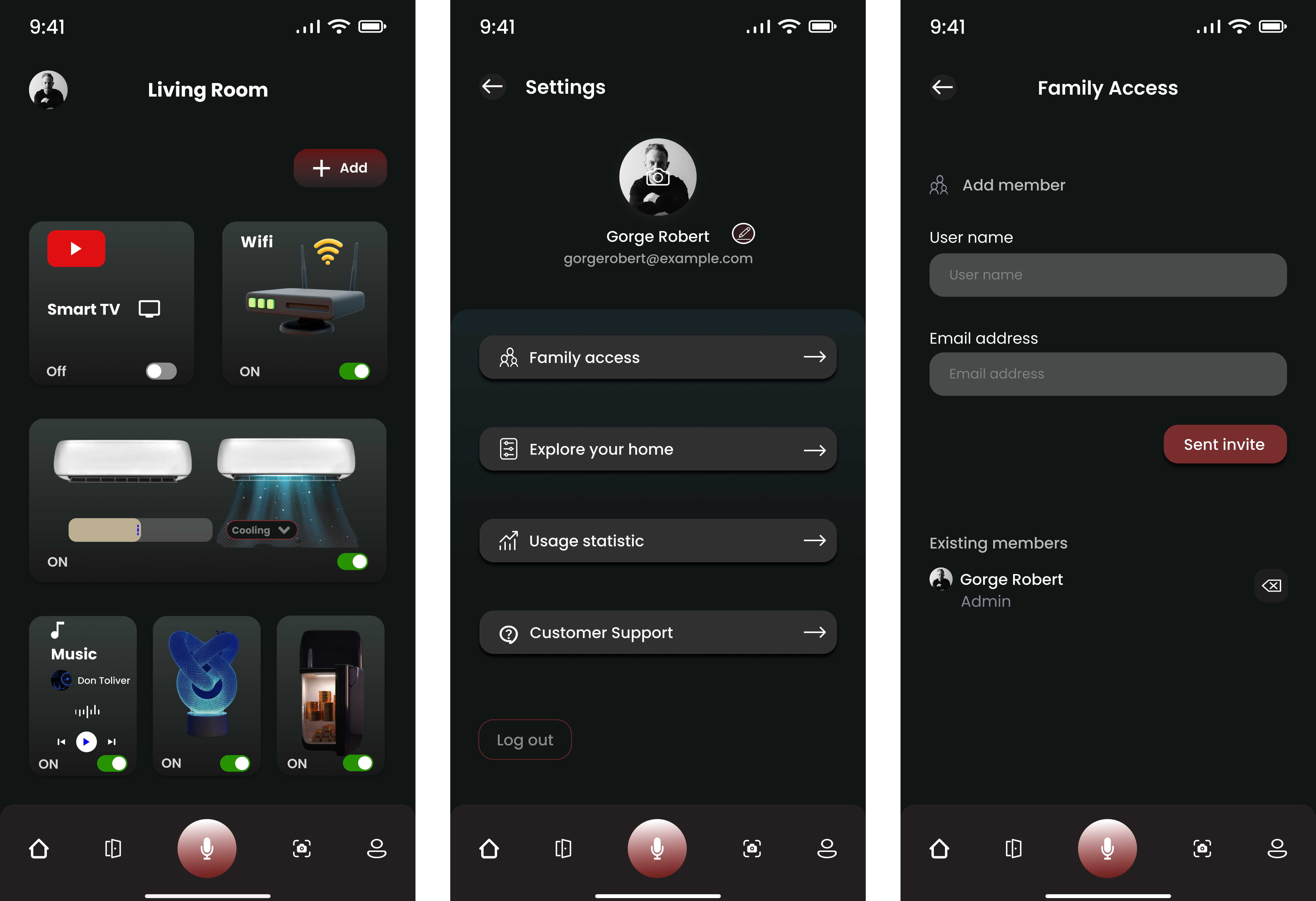
Automated Scheduling: Users have the ability to set up routines and schedules for their appliances, facilitating automated operation and energy conservation without manual intervention.
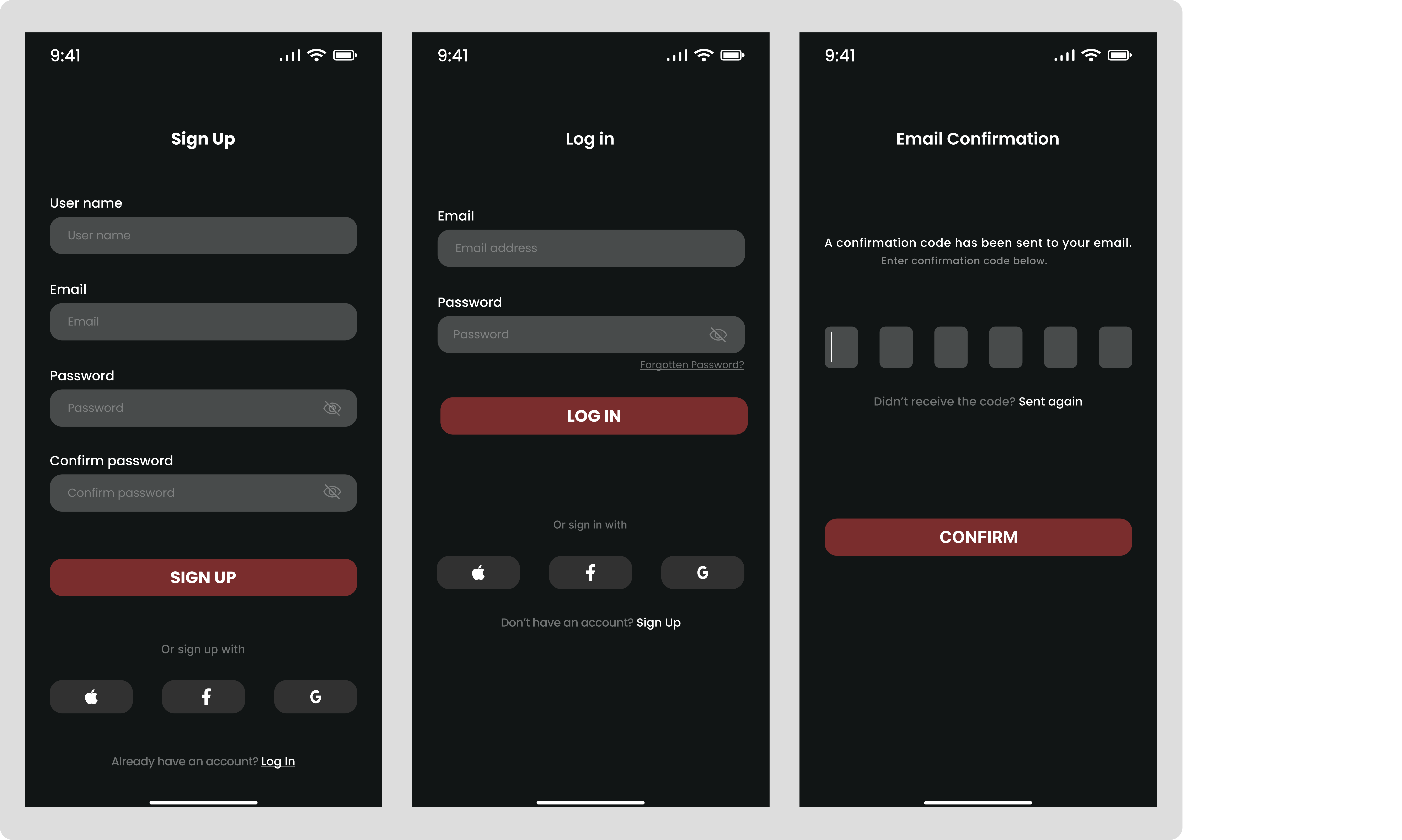
Multiuser Management: The system allows for multiuser management, enabling secure access for multiple users with customizable permissions. This feature ensures greater control over guest users while maintaining the security of the application.
.jpg)
Competitive Analysis Of Smartasist:
In the rapidly evolving landscape of smart home applications, understanding the competitive landscape is essential for developers seeking to create adistinctive and compelling product. This competitive analysis evaluates several key players in the market, focusing on their features, user experience,and market positioning.
Conclusion:
Each smart home application has its strengths and weaknesses, catering to different user preferences and priorities. Developers must analyze these competitors carefully, identifying opportunities to differentiate their product while addressing gaps in the market. By understanding the competitive landscape, developers can refine their product strategy and deliver a compelling smart home application that meets the needs of their target audience.
.png)
.png)
.png)
.png)
.png)